Introduction
Are you searching for Aplastic Anemia Treatment Cost in India?
India provides an affordable option, offering excellent care for aplastic anemia treatment at a much lower cost than in Western countries.
With advanced medical technology, personalized treatment plans, and skilled hematologists, Indian hospitals offer a range of treatments, including bone marrow transplants and immunosuppressive therapies.
This makes India a top choice for high-quality care at an affordable price.
Why is Aplastic Anemia Treatment Performed?
Aplastic anemia is a condition where the body stops making enough new blood cells, which can cause fatigue, make you more likely to get infections, and lead to uncontrolled bleeding.
The goal of treatment for aplastic anemia is to help the body produce more red and white blood cells and platelets, which increases oxygen levels in the blood. Low red blood cell counts cause a drop in hemoglobin, so treatments focus on boosting these cells to improve overall blood health.
Cost Breakdown
The cost of aplastic anemia treatment in India is typically lower than in other countries and depends on various factors such as hospital charges, doctor’s fees, diagnostic tests, and more. Here is a breakdown of the treatment costs:
Cost Component | Details | Estimated Cost in USD |
Pre-operative Consultation & Diagnosis | Consultations, X-rays, MRI scans, blood tests | 1200 USD |
Surgery Costs | Includes surgeon fees, type of surgery, and hospital stay | 27,000 - 33,000 USD |
Rehabilitation and Follow-up | Physiotherapy sessions, medications, supportive devices, and follow-up visits | Variable by Procedure |
Factors that Affect the Cost of Aplastic Anemia Treatment in India

Here is the list of factors that affect the overall cost of the treatment : Type of Treatment: The treatment approach—such as immunosuppressive therapy, blood transfusions, or bone marrow transplant affects the overall cost of treatment.
Hospital Charges: The type of hospital, its location, reputation, and whether it is accredited internationally influence the overall cost. Hospitals with advanced infrastructure may charge higher fees.
Doctor’s Fees: The experience and expertise of the hematologist or oncologist overseeing the treatment can also affect costs, as highly skilled doctors typically charge more.
Diagnostic Tests: Aplastic anemia requires various diagnostic tests, such as blood tests, bone marrow biopsies, and imaging studies, which add to the total treatment cost.
Hospital Stay and Support Services: The length of the hospital stay and additional support services, such as nursing and intensive care, can impact the final cost of treatment.
Symptoms of Aplastic Anemia
Individuals with aplastic anemia might face complications because of disease and treatment as well.
However, in some cases, the patient's body rejects a bone marrow, which the doctor calls graft-versus-host disease or GVHD.
It can make a person feel extremely ill, which includes symptoms such as:
- Blistering skin
- Nausea
- Vomiting
- Diarrhea
- Injury to the liver
- Fatigue
- Shortness of breath
- Rapid or irregular heart rate
- Pale skin
- Frequent or prolonged infections
- Unexplained or easy bruising
- Nosebleeds and bleeding gums
- Prolonged bleeding from cuts
- Skin rash
- Dizziness
- Headache
- Fever
Causes of Aplastic Anemia
- Immune System Attack: Often, aplastic anemia happens when the immune system mistakenly attacks bone marrow stem cells.
- Radiation and Chemotherapy: Treatments for cancer, like radiation and chemotherapy, can damage bone marrow cells, sometimes leading to a temporary form of aplastic anemia.
- Chemical Exposure: Certain chemicals, like pesticides and benzene (found in gasoline), can harm bone marrow. Avoiding these may help prevent further issues.
- Medications: Some medications, including those for rheumatoid arthritis and certain antibiotics, can lead to aplastic anemia.
- Autoimmune Disorders: Conditions where the immune system attacks the body’s own cells can sometimes affect bone marrow.
- Viral Infections: Viruses like hepatitis, Epstein-Barr, cytomegalovirus, parvovirus B19, and HIV may contribute to aplastic anemia.
- Pregnancy: In rare cases, pregnancy may trigger an immune response against bone marrow.
- Unknown Causes: In some cases, doctors cannot determine a clear cause for aplastic anemia, known as idiopathic aplastic anemia.
Related Disorders:
- Paroxysmal Nocturnal Hemoglobinuria (PNH): A condition where red blood cells break down too quickly, which can either cause or result from aplastic anemia.
- Fanconi Anemia: A rare genetic condition in children, leading to smaller body size, birth defects, and aplastic anemia.
Country Wise Cost Comparision of Aplastic Anemia Treatment in India
Country | Cost Structure |
India | 27000-33000 USD |
United States | 250000 USD |
Germany | 180000-220000 USD |
Turkey | 58500-71500 USD |
◾ Key Takeaways
✅ Affordable Treatment Cost: The cost of aplastic anemia treatment in India is highly cost-effective compared to Western countries, allowing patients to receive treatment without compromising on quality care.
✅ Advanced Medical Technology: Indian hospitals are equipped with the latest technologies for treating aplastic anemia, providing precise and effective treatment for patients seeking care in India.
Quality of Care for Aplastic Anemia Treatment in India
India provides exceptional quality care for aplastic anemia treatment by combining advanced medical technology with highly experienced hematologists. Key factors that contribute to India’s high standard of care include:
- Experienced Specialists: India has highly skilled and well-known hematologists and oncologists who specialize in treating complex blood disorders, such as aplastic anemia, ensuring that patients receive expert care.
- Advanced Medical Facilities: Indian hospitals are equipped with the latest technologies for diagnostics and treatment, including bone marrow transplants and immunosuppressive therapies, which provide precise and effective care.
- Personalized Treatment Plans: Patients receive customized treatment plans tailored to their specific medical needs, covering everything from diagnosis to follow-up care.
Best Doctors for Aplastic Anemia Treatment in India
India has some of the best hematologists and oncologists, who are dedicated specialists in treating severe blood disorders. They have extensive training and are skilled in various treatment methods, including bone marrow transplants and immunosuppressive therapies.
These experts offer personalized care and effective treatment options for patients seeking aplastic anemia treatment in India.
Best Hospitals for Aplastic Anemia Treatment in India
India is home to some of the best hospitals for aplastic anemia treatment, offering advanced care at an affordable cost. These hospitals are equipped with the latest technologies and are accredited by international bodies like JCI and NABH, ensuring they meet global standards for patient safety and quality of care.
Preoperative Preparation for Aplastic Anemia Treatment in India
Anemia can be diagnosed through several methods, including a physical examination, a review of medical history, and a blood test known as a complete blood count (CBC). The CBC measures various blood components, such as the number of red blood cells, white blood cells, platelets, and hemoglobin concentration.
Tests | Description |
Complete Blood Count (CBC) | This test examines the levels of various blood cells. Low levels of red blood cells, white blood cells, or platelets can indicate aplastic anemia. |
Blood Smear Test | This test analyzes the shape and size of blood cells under a microscope, helping to detect any abnormalities. |
Reticulocyte Count | It measures the number of young red blood cells, providing insights into bone marrow function. |
Erythropoietin (EPO) Level | EPO is a hormone that signals the bone marrow to produce more red blood cells. Low EPO levels can contribute to aplastic anemia. |
Bone Marrow Biopsy and Aspiration | This test assesses the health and cell production of the bone marrow, which is crucial for diagnosing aplastic anemia. |
🟢 Do’s Before Surgery
✅ Follow Your Doctor’s Instructions:Carefully follow all instructions from your doctor regarding medications, diet, and any specific lifestyle changes needed before treatment.
✅ Get Necessary Tests Done:Complete all recommended tests, such as blood tests, bone marrow biopsies, and imaging scans, to help your healthcare provider determine the best treatment plan.
✅ Stay Hydrated😀rink plenty of water to keep your body hydrated, which can aid in preparing for and recovering from treatment.
✅ Maintain a Balanced Diet:Eat a nutrient-rich, balanced diet to strengthen your immune system, especially before starting treatments like bone marrow transplants or immunosuppressive therapy.
🔴 Dont's Before Surgery
❌ Avoid Smoking and Alcohol:If you smoke or drink, it’s essential to stop, as these can interfere with your body’s ability to heal and respond to treatment.
❌ Don’t Take Certain Medications:Medications such as aspirin and NSAIDs can increase the risk of bleeding, so consult your doctor before taking any new medications.
❌ Avoid Exposure to Sick People:Stay away from individuals with infections, as your immune system may be more vulnerable during treatment.
Treatment Procedure for Aplastic Anemia
The treatment of aplastic anemia depends on the severity of the patient's condition and age. It may involve observation, blood transfusions, medications, or bone marrow transplantation. Here are several treatment options for aplastic anemia:
Blood Transfusions
Blood transfusions help control bleeding and relieve symptoms by providing blood cells that the patient’s bone marrow isn’t producing. Patients receive red blood cells to raise blood cell and platelet counts, which helps prevent excessive bleeding.
Stem Cell Transplant (Bone Marrow Transplant)
A stem cell transplant rebuilds the bone marrow using donor stem cells and may be the only successful treatment for patients with severe aplastic anemia. Once a donor is found, the diseased bone marrow is cleared with radiation or chemotherapy.
Healthy donor stem cells are then injected intravenously, where they migrate to the bone marrow and generate new blood cells. However, this procedure carries risks, including transplant rejection and potentially life-threatening complications.
Immunosuppressants
These medications suppress the immune system to prevent it from making auto antibodies attacking stem cells. Anti-thymocyte globulin (ATG) and cyclosporine are examples of immunosuppressants used to treat aplastic anemia.
Bone Marrow Stimulants
Drugs such as colony-stimulating factors (e.g., sargramostim, filgrastim, pegfilgrastim, epoetin alfa) and eltrombopag help stimulate the bone marrow to produce new blood cells.
Antibiotics and Antivirals
Since aplastic anemia weakens the immune system, doctors prescribe antibiotics or antiviral medications to prevent infections.
Post Operative Care and Recovery
Hospital Stays and Initial Recovery
The length of the hospital stay depends on the type of treatment received. However, recovery typically takes three to six months, and most people can return to their normal lives after treatment.
Success Rate of Aplastic Anemia Treatment in India
The success rate of aplastic anemia depends on various factors like age, type of procedure, and overall health yet the success rate is 80-85%.
Possible Complications of Aplastic Anemia Treatment
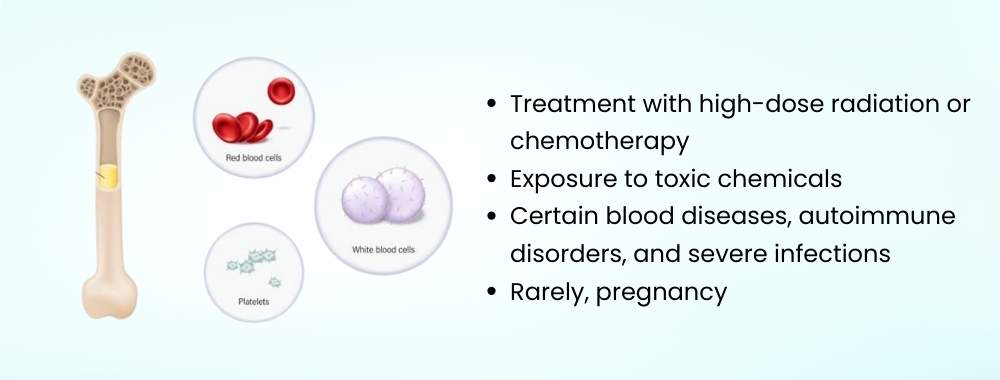
Aplastic anemia is a rare condition with certain risk factors, including:
- Treatment with high-dose radiation or chemotherapy
- Exposure to toxic chemicals
- Certain blood diseases, autoimmune disorders, and severe infections
- Rarely, pregnancy
Why Choose RIHLATMED for Aplastic Anemia Treatment in India
✅ Team of Top Hematologists: We recommend doctors with over 20 years of experience in treating aplastic anemia, ensuring the highest quality of care.
✅ JCI/NABH Accredited Hospitals: We partner with hospitals equipped with state-of-the-art facilities, including the latest technologies such as robotics, machine learning, and advanced diagnostic and therapeutic equipment, providing comprehensive and personalized care.
✅ Other Benefits: Our services include prompt and detailed responses, accurate cost estimates, assistance with obtaining medical visas, and arranging accommodation in India. We also offer priority appointment scheduling with top doctors. Additionally, we ensure a smooth arrival experience in India with services such as airport pickup, hotel drop-off, hospitalization assistance, and more.
Conclusion
Aplastic anemia is a rare disease that can be treated with medications or transplants. In cases where medication is ineffective, a stem cell transplant may be a viable option. Patients typically undergo several diagnostic tests to determine the condition. Although the exact cause of aplastic anemia is rarely identified, doctors prescribe treatments to manage symptoms. If you experience fatigue, shortness of breath, a rapid or irregular heart rate, or other related symptoms, it’s important to consult a doctor immediately.