Are you a heart patient and trying to understand the heart stent cost in India?
India is now a popular choice for heart treatment. But why?
India provides affordable options for international patients seeking heart stent surgery with highly experienced cardiac surgeons. They offer advanced options and high-quality care at very low cost, 3500-4200 USD, to support international patients. India is home to some of the most advanced cardiology centers, where patients benefit from globally recognized treatment protocols and care quality.
Rang of Heart Stent Cost in India
Minimum Cost | Maximum Cost | Hospital Stay | India Stay |
3500 USD | 4200 USD | 3 days | 15 days |
What is a Heart Stent?
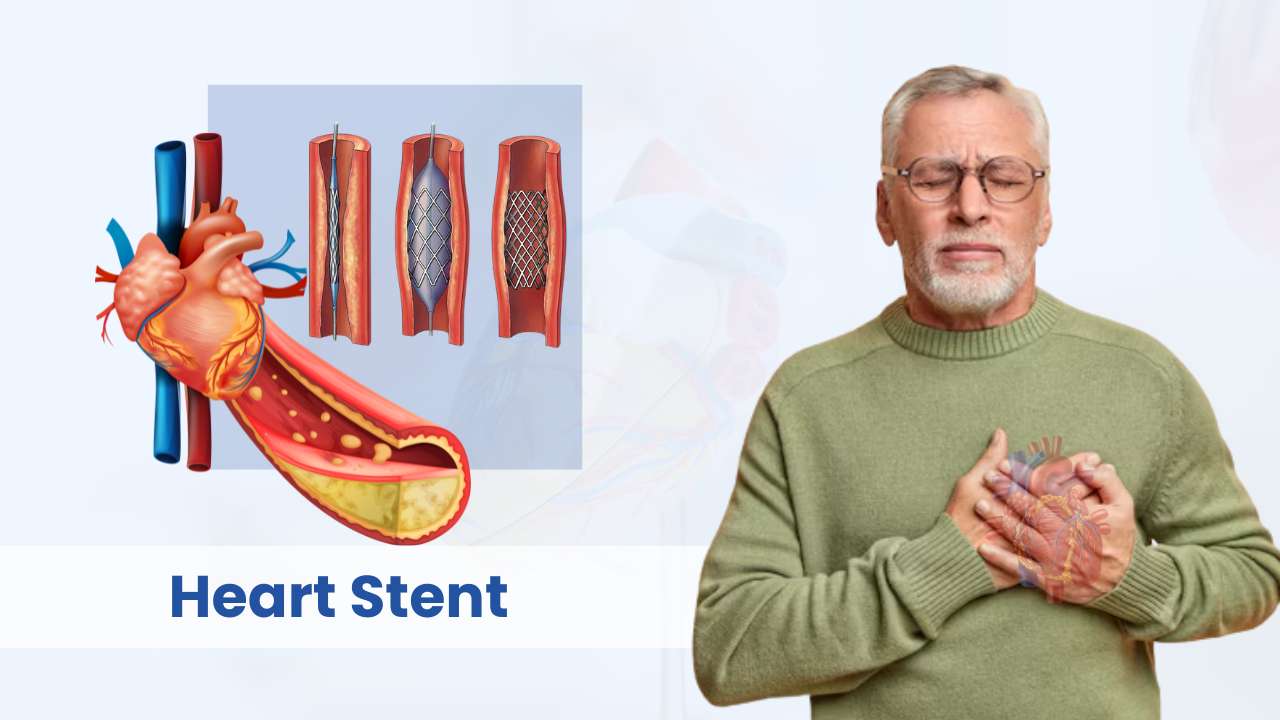
A stent is a small device that doctors put inside your body to help keep things flowing properly, like blood, urine, etc. Generally, it is placed in arteries and veins when they become narrow. This narrowing often happens because of a buildup of fatty substances from high cholesterol, which can slow down and block blood flow. Stents help keep these passages open.
In the past, stents were made of metal. But now, modern stents can be made from materials that dissolve naturally inside the body.
Important Factors that Influence The Heart Stent Cost in India
‣ Experienced Surgeon
A well-experienced, internationally trained, and well-known surgeon may charge a higher heart stent cost in India than a less experienced surgeon.
‣ The Health Condition of the Patient
People with basic medical conditions may need additional care and extended stay after the procedure, which will increase the final cost of surgery.
‣ Number of Stents
A number of stents also affect the overall cost of surgery because if multiple stents are needed, it will increase the cost.
‣ Complexity of Blockages
The location, severity, and type of blockages and the complexity of the procedure can impact the overall heart stent cost in India.
‣ Brand of Stent
Stents from popular and trusted brands often come with higher prices. This is usually because they invest a lot in developing their products.
‣ Additional Treatment
Also, if more treatment is needed, it could increase the total cost of care. For a successful recovery and long-term care, consulting one of the best doctors for cardiology in India is crucial
Breakdown of Heart Stent Cost in India
The heart stent cost in India is lower than in Western countries, but the overall cost depends on several factors:
Cost Component | Details | Cost in USD |
Pre-operative Consultation & Diagnosis | Consultations, X-rays, MRI scans, blood tests | 250 USD |
Surgery Costs | Surgeon fees, type of surgery, etc. | 3500-4200 USD |
Rehabilitation and Follow-up | Physiotherapy sessions, medications, supportive devices, and follow-up visits | Variable by Procedure |
Country-Wise Comparison of Heart Stents Cost in India
Country | Cost Structure |
India | 3500-4200 USD |
United States | 4500-20000 USD |
Germany | 3000-11614 USD |
Turkey | 2000-8000 USD |
◘ Key Takeaways
✅ Affordable Treatment Cost
India offers affordable treatment, which is lower than in many Western countries. Patients receive high-quality care with advanced medical technologies and experienced cardiac surgeons.
✅ Advanced Medical Technology
Indian hospitals combine the latest advancements to provide advanced medical treatment for heart stents, making India a leading destination for complex heart treatments.
Why India is a Preferred Destination for a Heart Stent
India is known for offering world-class heart treatment at much lower prices than Western countries and has many top heart hospitals equipped with advanced medical technology with experienced cardiologists.
Many Indian hospitals are approved by international health organizations like JCI and NABH, which means they follow high-quality care.
Doctors create personalized treatment plans based on each patient’s needs and overall health, which can enhance the chances of recovery.
In India, one major benefit is that patients can get treatment quickly, and it offers various types of heart stents at affordable prices.
Additionally, India offers complete healthcare packages for people coming from other countries. These often include the heart stent cost in India, stay, transport, and even recovery support.
Known for its affordable treatments, India is a popular destination for people worldwide seeking heart care.
Also Read: Cardiac Catheterization
What are the Types of Stents?
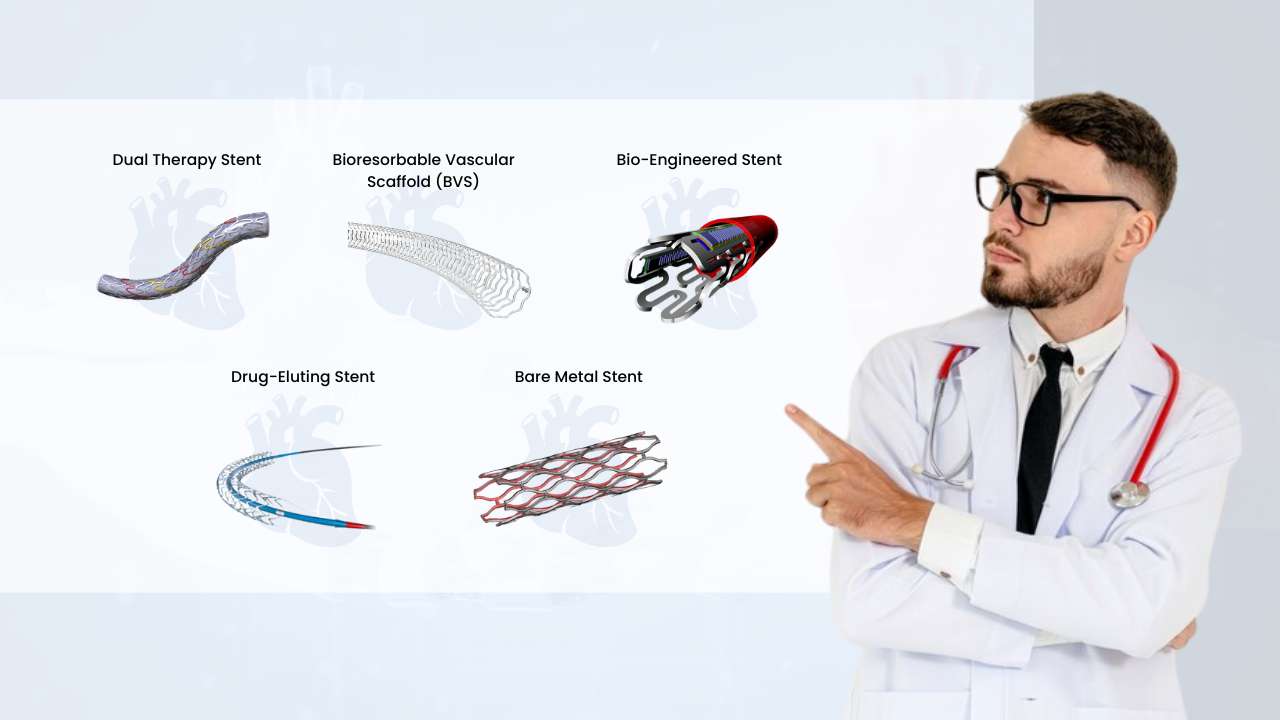
Different types of heart stents are:
Dual Therapy Stent
A dual therapy stent is a special kind of medical device used to keep arteries open and prevent them from becoming narrow again. It helps improve blood flow and reduce the chances of future problems in the arteries. Inside the stent, there is a coating that helps your artery heal faster by encouraging the growth of healthy tissue; because of this, recovery is usually quicker and smoother.
Bioresorbable Vascular Scaffold (BVS)
This stent dissolves with time and is made from the type of materials that your body can absorb. It is one of the newest and most advanced options available today.
Bio-Engineered Stent
Bio-engineered stents help the artery to heal and are usually, it is made from a thin, flexible metal, cobalt, and chromium. It also uses special technology, such as endothelial progenitor cells (EPC), to help the artery rebuild itself. This makes it good for long-term use and helps prevent future blockages and clots.
Drug-Eluting Stent
Drug-eluting stents are a commonly used stent that slowly releases medicine to stop the artery from getting blocked again, and it is also very helpful for preventing clots.
Bare Metal Stent
This is made from metal and does not have any medicine coating, and it is mainly used when a patient is likely to need another surgery. However, it can sometimes cause too much tissue growth inside the artery, which may lead to future blockages.
What Does a Stent Treat?
A stent helps improve blood flow and allows other fluids to pass smoothly. Stents are often used when a blood vessel or tube gets blocked due to a fatty substance that builds up over time.
Stents are commonly used for:
- Peripheral artery disease.
- Carotid artery disease.
- Renal artery disease.
- Coronary artery disease.
- Deep vein thrombosis (DVT).
- Aortic aneurysm.
When Do Doctors Use a Stent?
Here are some common reasons for stent placement:
‣ Heart Blockage (Coronary Angioplasty)
If the arteries around your heart are blocked, doctors can place a heart stent to restore the blood flow. A thin tube is inserted into your body through the arm that helps locate the blockage, and the stent is placed there to keep the artery open and prevent heart attacks.
‣ Narrow Arteries in the Brain (Intracranial Stenosis)
When arteries in the brain and neck become narrow, blood flow to the brain drops and can cause dizziness, blurry vision, and even strokes. A stent helps the narrowed artery to reduce the risk of stroke and improve blood flow.
‣ Brain Aneurysms
An aneurysm is a weak area in a blood vessel that can bulge out. When this happens in the brain, it's known as a brain aneurysm. A stent is placed to support the weak spot and prevent it from breaking, which can help avoid a severe brain bleeding and stroke.
‣ Narrow Windpipe (Tracheobronchial Stenosis)
Sometimes, the windpipe narrows due to too much scar tissue, and this makes it hard to breathe. A tracheal stent is a small device used to keep the airway open, which helps people breathe more easily.
‣ Bronchial Blockages in the Lungs
A bronchial stent is used if a tumor is blocking the airways in the lungs. A stent is a device that is put in the passage to help keep it open, to help air flow. To put in these stents, doctors insert them through the mouth and make a small cut in the neck.
‣ Blocked Urinary Tubes (Ureteral Stents)
The ureters are tubes that carry urine from your kidneys to your bladder, and if they are blocked by kidney stones, blood clots, and infection, then urine can’t pass normally. A ureteral stent is placed to keep the tubes open and help the urine flow, and is usually done without cutting the skin.
‣ Liver Blockage (Biliary Stents)
When a tumor blocks the bile ducts in your liver, it builds up and causes jaundice. A biliary stent is used to keep the bile flowing and reduce the buildup. Usually, it is helpful if the blockage is due to liver cancer and other severe issues.
What Are the Benefits of a Heart Stent?
Getting a heart stent can bring many benefits:
- It helps better blood flow through a blocked artery.
- It reduces symptoms like chest pain and shortness of breath.
- It also helps keep the artery open and prevents it from narrowing again.
- Recovery is faster compared to open-heart bypass surgery because it is a simpler, less invasive procedure.
Necessary Diagnostic Tests for a Heart Stent
- Cardiac Catheterization
- Echocardiogram
- Electrocardiogram
- Blood Tests
- Stress Test
- Nuclear Imaging
- Heart CT Scan
Dos and Don’ts Before a Heart Stent
◙ Do’s
🟢 You should follow your doctor’s advice and which medicines to take and avoid before surgery.
🟢 You may be instructed by your doctor to wash yourself with a special antibacterial soap the day before and the day of surgery.
🟢 You must try to improve your mood by doing something active, you can also try meditation to relax your body.
◙ Don’ts
🔴 Stop drinking alcohol and using recreational drugs before surgery, as these can interfere with the anesthesia and affect your recovery.
🔴 Quit smoking because it can increase the risk of blood clots and other heart problems during and after the surgery.
🔴 Don’t take blood thinners and anti-inflammatory medicines, as these can increase the risk of bleeding during the surgery.
Surgical Procedure of a Heart Stent
In heart stent surgery, the doctor makes a small cut in your arm. Then, a thin tube is gently passed through your blood vessels to reach the blocked part of your heart. The doctor uses a special X-ray called fluoroscopy to see the arteries.
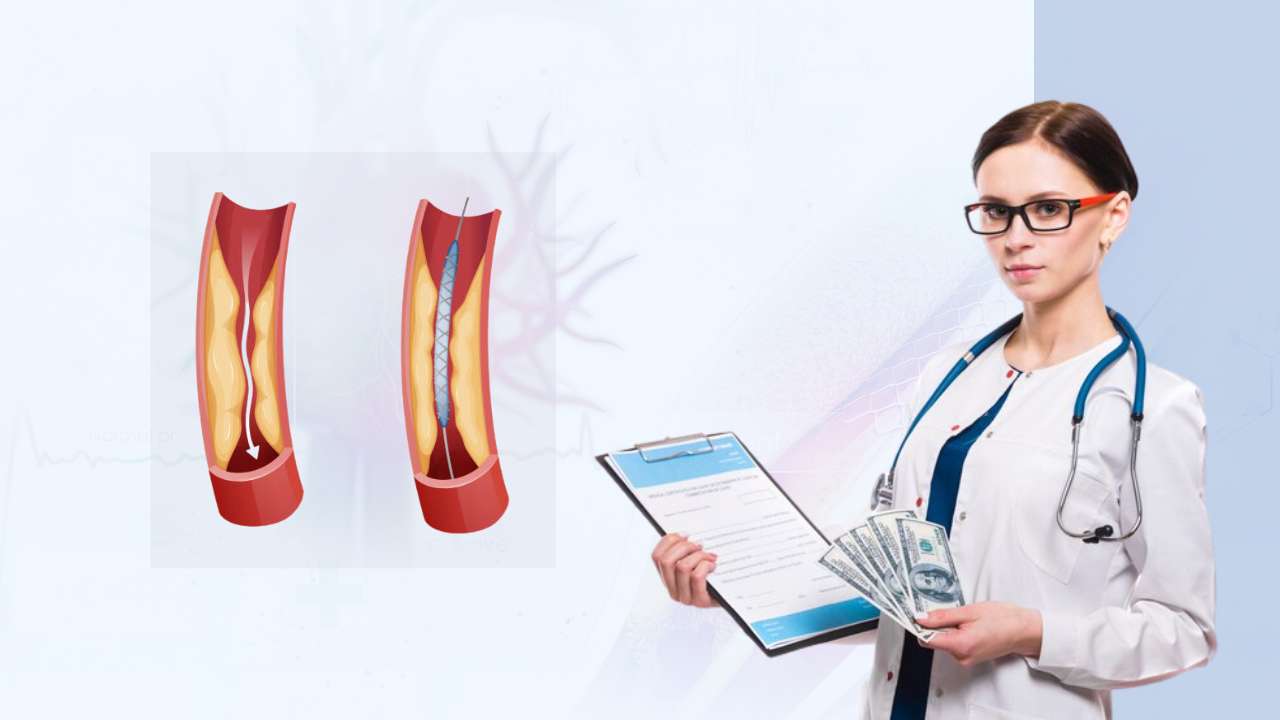
When a doctor reaches the narrowed part of an artery, they insert another thin tube that has a small balloon on the end. Once this balloon is in the correct spot, it's gently inflated. This action pushes the fatty buildup against the walls of the artery, making it wider so that blood can flow more freely.
A small tube called a stent is left in the artery to keep it open. This helps blood carry oxygen to your heart properly again.
What Happens After the Stent is Placed?
- It is very normal to feel some chest pain and have shortness of breath for a short time.
- Serious problems like seizures and heart attacks after a stent are very rare, but they can happen.
- Some stents can cause tissue to grow around them, which might block the artery again.
- To avoid this, doctors often use drug-coated stents. These have a special medicine that helps stop too much tissue from growing.
Precautions to Take After a Heart Stent
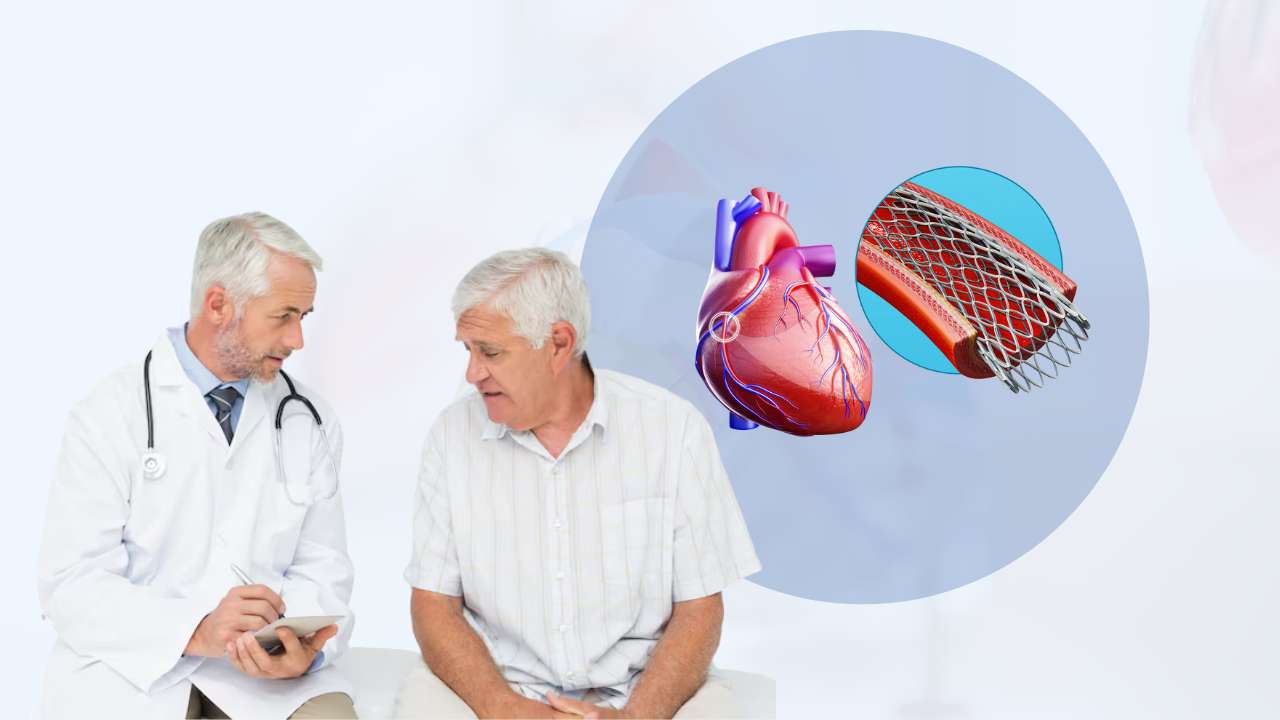
Getting a stent helps fix the blocked artery, but it doesn’t cure heart disease. To stay healthy after the surgery, you need to take good care of your heart.
Here are some important precautions:
- Eat healthy food with less oil and fat.
- Quit smoking and chewing tobacco.
- Exercise regularly
- Keep your cholesterol levels low.
- Take all medicines on time as your doctor tells you.
- Go for regular checkups with your doctor.
What to Eat and What to Avoid
Eating a good mix of healthy foods can help keep your heart strong and prevent your arteries from getting blocked.
🟢What to eat
- Fruits and Vegetables are full of vitamins and antioxidants that keep your heart working well.
- Whole Grains like oats, brown rice, and whole wheat bread can help lower bad cholesterol and keep your blood flowing smoothly.
- Healthy Fats are found in nuts, seeds, and olive oil. These help reduce swelling and protect your heart.
- Lean Proteins like fish, chicken, lentils, and beans instead of red meat.
🔴 What to Avoid
- You should avoid packaged snacks, noodles, and ready-to-eat meals are high in bad fats, salt, and chemicals.
- Sugary drinks and sweets, because too much sugar can cause weight gain and raise your blood sugar.
- Too much salt can increase your blood pressure and put stress on your heart; that’s why you should avoid it.
- Red meat and fried foods can increase cholesterol levels and lead to more blockages in your arteries.
Possible Complications of Heart Stents
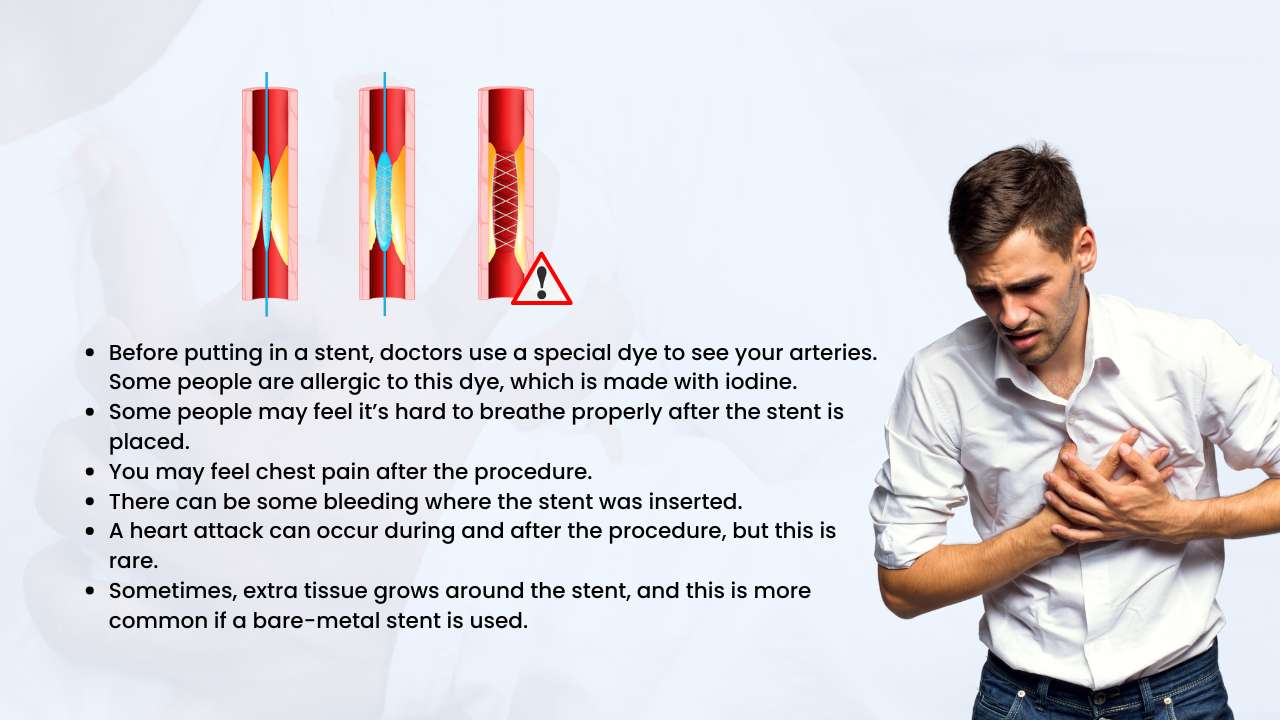
Common Side Effects of Heart Stent Surgery:
- Before putting in a stent, doctors use a special dye to see your arteries. Some people are allergic to this dye, which is made with iodine.
- Some people may feel it’s hard to breathe properly after the stent is placed.
- You may feel chest pain after the procedure.
- There can be some bleeding where the stent was inserted.
- A heart attack can occur during and after the procedure, but this is rare.
- Sometimes, extra tissue grows around the stent, and this is more common if a bare-metal stent is used.
Hospital Stay after Heart Stent Surgery
After surgery, patients need to stay in the hospital for 3 days for monitoring.
Recovery Time after Heart Stent Surgery
After heart stent surgery, recovery will take 10 days.
Success Rate of Heart Stent Surgery
The success rate of heart stent surgery in India is 99% because the surgery is generally considered safe with the best outcomes.
Best Doctors for Heart Stent Surgery in India
These surgeons are highly experienced and renowned for their expertise in heart surgery. Many of them are internationally trained and have received awards for their exceptional work.
Best Hospitals for Heart Stent Surgery in India
These hospitals are accredited by international organizations like JCI and NABH, ensuring they meet international standards. They are equipped with the latest advancements to provide better outcomes for patients.
Why Choose RIHLATMED for a Heart Stent in India?
• Team of Top Cardiac Surgeons
Our recommended doctors have over 25 years of experience in cardiac procedures, including ICD implantation, balloon angioplasty, pacemaker implantation, etc. This means you will receive high-quality care from experts who understand your health condition.
• JCI/NABH Accredited Hospitals
RIHLATMED partners with hospitals that are accredited by JCI and NABH. These hospitals feature advanced facilities and the latest technologies, such as robotics, machine learning, and advanced diagnostic and therapeutic equipment, providing complete and specialized care. These hospitals are internationally accredited and are counted among the best hospitals for cardiology in India, providing safe, effective, and affordable care.
• Other Benefits
We deliver quick responses, exact heart stent cost in India estimates, and assistance with obtaining medical visas, as well as accommodation arrangements in India.
Moreover, we prioritize your appointment scheduling and provide smooth arrival services, including airport pickup, hotel transfers, and full support during your hospital stay.
Conclusion
A heart stent is a life-saving device to improve blood flow and reduce the risk of a heart attack. With the right stent and good care, you can improve your heart health and live a happy life.
Disclaimer
Given details in this article are only for general purposes, and it does not aim to provide an accurate heart stent cost in India estimate. If you are seeking professional opinions and exact cost instructions, we can help you connect with India’s top surgeons. Contact RIHLATMED now.