Introduction
Are you looking for an affordable solution for pacemaker implantation?
India offers world-class pacemaker procedures at a fraction of the cost for patients seeking cost-effective treatment.
Hospitals in India are equipped with the latest technologies and have some of the best cardiologists, ensuring safe and effective procedures.
By choosing India, you will receive high-quality care at lower prices without compromising on the standard of care.
Read this article and learn about the pacemaker implantation cost in India, what it is, and other necessary details as well to make an informed decision.
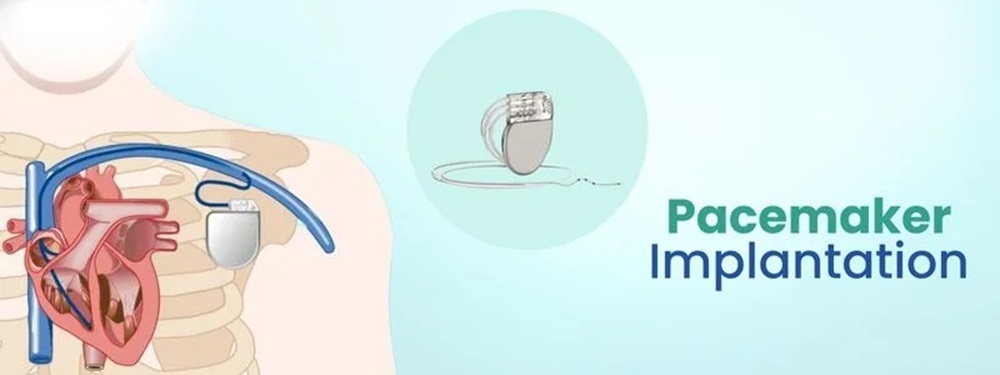
What is Pacemaker Implantation?
It's a surgical procedure that is done to control or increase the heartbeat. Additionally, it's a small, battery-powered device that prevents the heart from beating too slowly. However, different types of pacemakers are used, which include:
• Single Chamber Pacemaker: This type usually sends electrical signals to the lower right chamber of the heart.
• Dual Chamber Pacemaker: It sends electrical signals to the upper and lower right heart chambers.
• Biventricular Pacemaker: It is also known as a cardiac resynchronization pacemaker, especially for people who have heart failure and a slow heartbeat.
Why is Pacemaker Implantation Performed?
A pacemaker implantation is performed to correct a heart rate when the heart is beating too slowly and causing symptoms such as Bradycardia, Tachy-Brady syndrome, and Heart block that can't be resolved with other treatments.
This procedure is essential when the heart's rhythm is compromised, leading to insufficient blood flow to the body.
By regulating the heart's rhythm, a pacemaker ensures that the heart pumps blood efficiently, addressing symptoms such as fatigue, dizziness, or fainting spells associated with bradycardia (a slow heart rate).
What is the Cost of Pacemaker Implantation in India?
The cost of pacemaker implantation in Western countries, such as the United States, Germany, or Turkey, is higher; however, in India, it is more affordable while still offering high-quality care. Additionally, in India, you can save 60 to 70% on all expenses compared to those in other countries.
Cost Breakdown: Pacemaker Implantation in India
The cost of pacemaker implantation in India is much lower than in Western countries. However, the total cost depends on various factors such as hospital stay, evaluation costs, and overall surgical expenses.
Here is a brief breakdown of the cost:
Cost Component | Details | Estimated Cost in USD |
Pre-operative Consultation & Diagnosis | Consultations, X-rays, MRI scans, blood tests | 600 USD |
Surgery Costs | Includes surgeon fees, type of surgery, type of implant, and hospital stay | 4500-5500 USD |
Rehabilitation and Follow-up | Physiotherapy sessions, medications, supportive devices, and follow-up visits | Variable by procedure |
Note: These cost estimates may vary based on individual needs, hospital policies, and specific medical conditions. A treatment plan and cost estimate will be provided after a thorough evaluation.
Cost Comparison of Pacemaker Implantation in India Vs. Other Countries
Here is a quick overview of the pacemaker implantation cost in India compared to other countries:
Country | Cost Structure |
India | 4500-5500 USD |
United States | 19000-96000 USD |
Germany | 10800-13200 USD |
Turkey | 21000-24000 USD |
Factors that Affect the Cost of Pacemaker Implantation in India
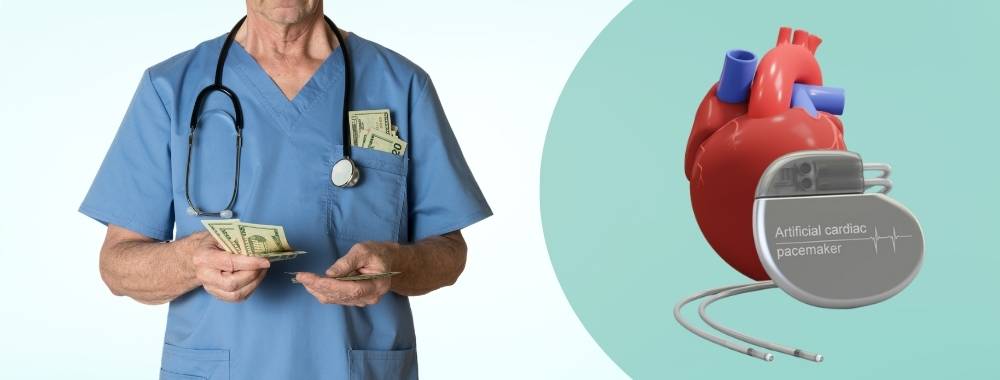
- Type of Pacemaker Implantation
The type of pacemaker affects the overall cost. After reviewing your medical reports and examining you, the doctor will decide whether you need a single-chamber or dual-chamber pacemaker, which impacts the cost. - Experience of a Cardiologist
The cardiologist's experience also plays a major role in the overall cost. More experienced doctors typically charge higher fees, which can increase the total cost of the procedure. - Pre-Surgery Tests
Diagnostic tests, including ECGs, echocardiograms, and blood tests, can increase the cost of the procedure. The more extensive the pre-surgery evaluation, the higher the overall cost. - Surgery and Device Cost
The cost of the pacemaker device and the surgery are major factors that affect the total cost. Advanced pacemakers with additional features tend to be more expensive. - Hospital Stay
The length of your hospital stay also impacts the total cost. The type of room you choose, whether private, semi-private, or shared, will influence how much you pay, with private rooms costing more.
Pacemaker Implantation Surgical Procedure
- The patient will need to remove all jewelry and other objects before the surgery and change into a hospital gown. They will also need to empty their bladder before the procedure starts.
- An IV line will be put in to give medications and fluids, and the patient will be connected to a heart monitor (ECG), which tracks the heart's activity during the procedure.
- A large electrode pad will be placed on the chest, both front and back.
- The area where the pacemaker will be inserted will be cleaned, and towels or sheets will be placed around it.
- A local anesthetic will be injected to numb the area. Once the area is numb, the surgeon will make a small cut.
- A thin tube, called a sheath, will be placed into a blood vessel, and the pacemaker wire will be inserted through it.
- The patient needs to stay still during this part to avoid damaging the insertion site. Once the wire is in the heart, it will be tested to make sure it's in the right spot.
- After that, the pacemaker device will be placed under the skin, and the wire will be attached to it.
- The ECG will be monitored to check if the pacemaker is working properly. Finally, the cut will be closed, and a bandage or dressing will be put on.
Best Doctors for Pacemaker Implantation in India
These surgeons are highly experienced, and many of them are internationally trained and are dedicated to providing quality care for patients seeking pacemaker implantation in India.
Best Hospitals for Pacemaker Implantation in India
Hospitals in India are equipped with some latest advancements and have the best medical options in pacemaker implantation that provide surety in providing quality care for patients seeking pacemaker implantation in India.
Why Consider India for Pacemaker Implantation?
India offers exceptional quality care for pacemaker implantation, combining advanced medical technology with highly skilled cardiac surgeons.
India has some of the best cardiologists, many with international training, ensuring safe and successful pacemaker procedures.
Hospitals in India are equipped with advanced technologies such as dual-chamber and leadless pacemakers, robotic-assisted surgery, and remote monitoring systems, providing precise and effective treatment.
Many hospitals in India are accredited by international bodies like JCI and NABH, ensuring they follow global standards for patient safety and care.
Why Choose RIHLATMED for Pacemaker Implantation in India?
• Team of Top Cardiologists
We recommend doctors with more than 20 years of experience to ensure high-quality care and successful outcomes for your treatment.
• JCI/NABH Accredited Hospitals
We partner with hospitals that have state-of-the-art facilities, equipped with the latest technologies such as robotics, machine learning, and advanced diagnostic and therapeutic equipment. These hospitals provide comprehensive and personalized care.
• Other Benefits
We offer fast and detailed responses, accurate cost estimates, assistance with obtaining medical visas, and accommodation arrangements in India. We also provide priority appointment scheduling with top doctors. Additionally, we ensure a smooth arrival in India by offering airport pickup, hotel drop-off, hospitalization assistance, and more.
Conclusion
Pacemaker Implantation is a procedure where a small device is placed in the chest that helps regulate the heartbeat. It helps to improve symptoms such as fatigue and fainting by ensuring the heart beats regularly, but when it's done, patients need to follow post-implantation instructions and attend regular checkups. Overall, it helps to enhance the quality of life for patients with heart problems.
Disclaimer
The information in this article is for informational purposes only and should not replace professional medical advice or consultations with healthcare professionals. For expert opinions and to make informed decisions, please consult your healthcare provider or reach out to RIHLATMED.