Experiencing chronic pain, nerve issues, or tumor treatment, but worried about the high medical expenses?
Radiofrequency ablation might be an option for you, which is a type of injection procedure that helps to treat several conditions, like chronic neck or back pain. Radiofrequency ablation is also used in cardiology, particularly for treating abnormal heart rhythms such as atrial fibrillation and tachycardia. This non-surgical technique targets problematic electrical pathways in the heart.
You know the best part?
In countries like the US and, UK, radiofrequency ablation costs more, but in radiofrequency ablation costs in India, the cost starts from 5800 to 6500 USD, which depends on the condition and location.
Apart from that, India has globally trained specialists, image-guided technology, and internationally accredited hospitals by JCI and NABH. Additionally, India offers safe, precise treatment at an affordable cost as compared to Western countries.
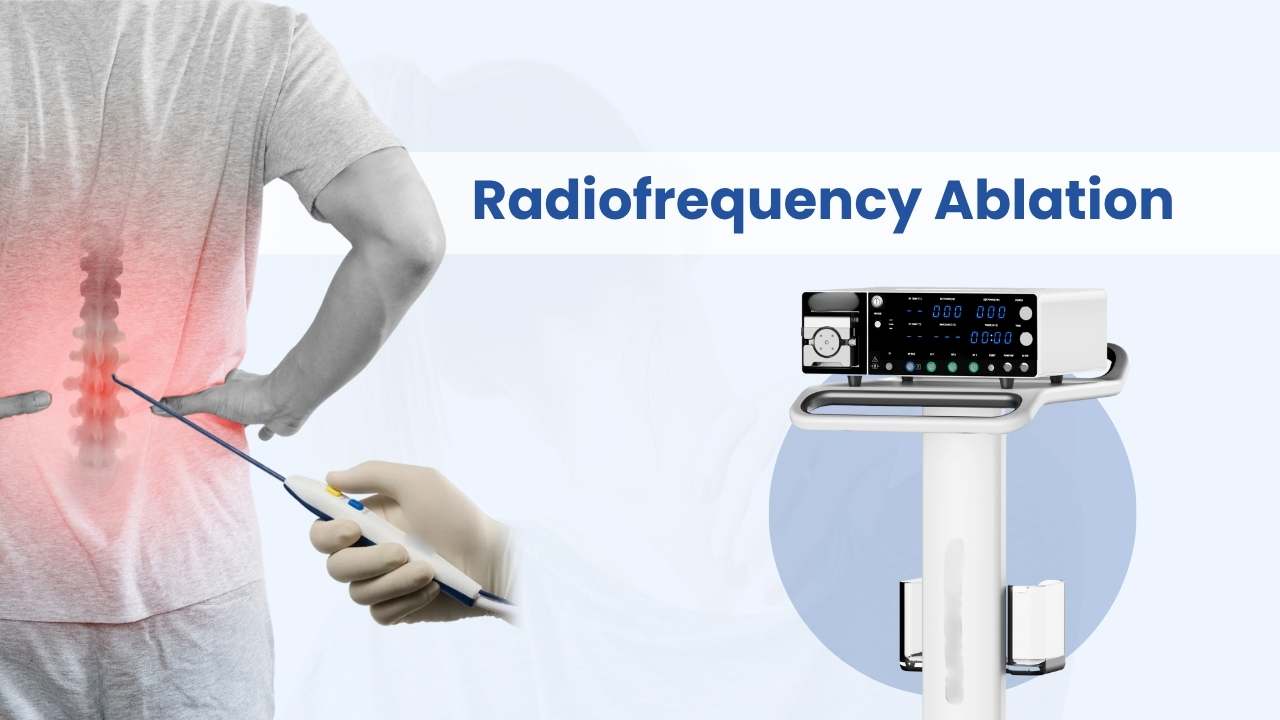
What is Radiofrequency Ablation (RFA)?
It’s a radiofrequency neurotomy, which is a type of injection procedure that helps to treat several conditions, such as chronic neck or back pain. RFA involves heating a portion of the pain-transmitting nerve with an RF needle, which creates a heat lesion that results in a lesion which prevents the nerve from sending pain signals to the brain.
Factors Influencing the Radiofrequency Ablation Costs in India

‣ Type of RFA medical intervention
Chronic pain, like spine, lower back, neck, etc, charges less expenses as compared to tumor or mass treatments such as solid liver or thyroid cancer, etc.
‣ Hospital facilities and services
The facilities and quality of services the hospital provides can also affect the overall radiofrequency ablation costs in India because in India, there are many internationally accredited hospitals, dedicated to providing patient-centric care often charge higher costs.
‣ Reputation and Experience of the Doctor
Doctors with high experience may charge higher fees for their services because many Indian doctors are more skilled and trained in international institutes, which shows their expertise in severe cases.
‣ RFA technique used
The technique used in the RFA procedure also affects the radiofrequency ablation costs in India because new technologies like cryo radiofrequency ablation are more expensive than the traditional method.
‣ Number of sessions required
The number of required sessions may also affect the radiofrequency ablation costs in India because, in some cases, the nerve is regenerated, and RFA repetition might be required. Therefore, you should discuss your sessions with your doctor before opting for the procedure.
Breakdown of Radiofrequency Ablation Costs in India
The radiofrequency ablation costs in India is affordable for all international patients seeking quality care at the lowest cost, which includes treatment cost, hospital stay, doctor’s fees, etc. Here’s a quick overview of the cost breakdown:
Cost Component | Details | Cost in USD |
Pre-operative Consultation & Diagnosis | Consultations, X-rays, MRI scans, blood tests | 350 USD |
Treatment Costs | Physician fees, type of surgery, etc. | 5800 to 6500 USD |
Rehabilitation and Follow-up | Physiotherapy sessions, medications, supportive devices, and follow-up visits | Variable by Procedure |
Country-Wise Cost Comparison of India Vs. Other Countries
Country | Cost Structure |
India | 5800 to 6500 USD |
United States | 7000 USD |
Germany | 11000 to 24000 USD |
Turkey | 7000 to 9000 USD |
Key Takeaways
✅ Affordable Treatment Cost
The cost of radiofrequency ablation in India is affordable for patients worldwide, where treatments are done at the lowest cost without compromising on the quality of care.
✅ Advanced Medical Technology
Indian hospitals are equipped with the latest equipment that helps to make the treatment more accurate and achieve better outcomes.
Why India is a Preferred Destination for Radiofrequency Ablation?
India has become a top destination for RFA due to its combination of affordability, skilled specialists, modern technologies, etc. However, the RFA cost in India is significantly lower compared to other Western countries.
Indian hospitals are equipped with advanced equipment such as image-guided systems, fluoroscopy, and ultrasound for precise targeting. However, in treating nerve pain, cardiac arrhythmias, etc, this procedure is also carried out by experienced interventional radiologists, neurologists, and pain management specialists.
Additionally, most Indian hospitals are accredited by international organizations like JCI and NABH, which ensure international standards of care, hygiene, and patient safety.
India also offers shorter waiting times, transparent treatment packages, and complete assistance for international patients, which includes medical visas, accommodation, and translator support as well.
Also Read: Renal Artery Stenosis Treatment
Range of Radiofrequency Ablation Cost in India
Minimum Cost | Maximum Cost | Hospital Stay | India Stay |
5800 USD | 6500 USD | 2 Days | 2 Weeks |
Goals of Radiofrequency Ablation
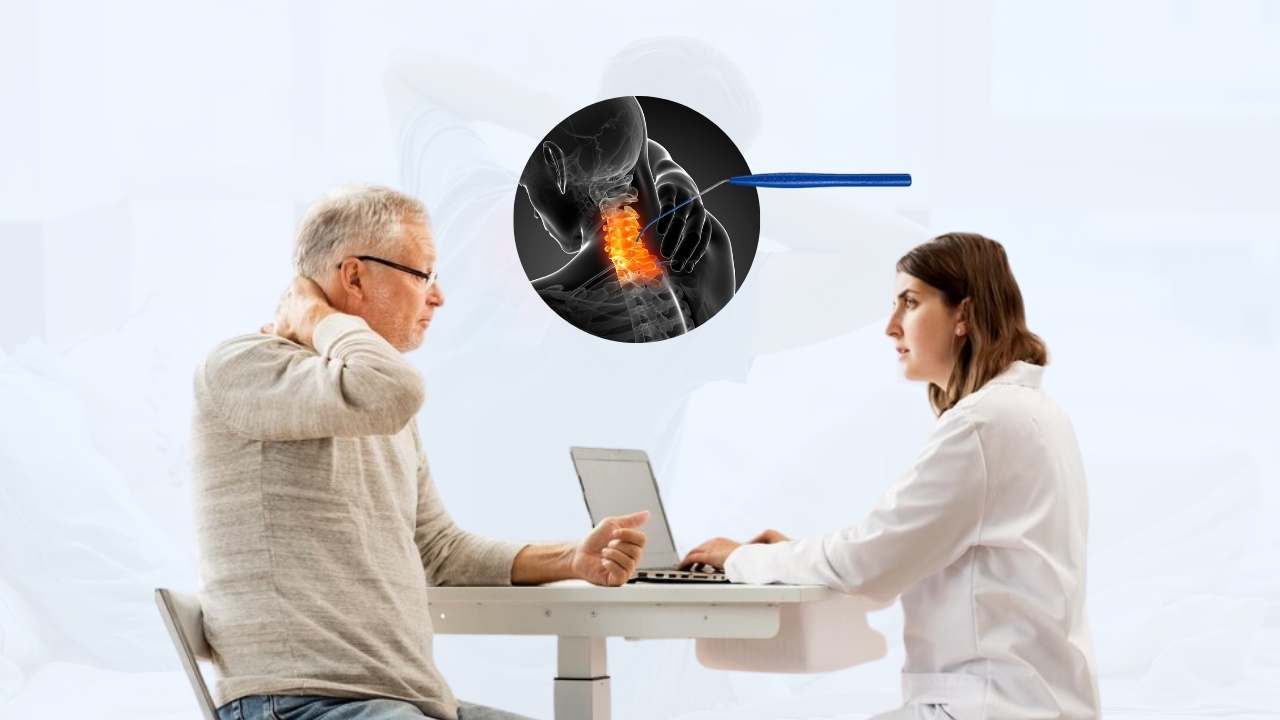
RFA helps reduce back or neck pain and provides relief lasting more than six months. However, the goal of treating the facet and sacroiliac joints with RFA:
- It reduces neck or back pain for a longer time.
- It helps to improve neck and back function for a greater range of motion, which might allow the patient to continue with the physical therapy program.
- It reduces the intake of pain medications, which can cause long-term side effects.
Conditions Treated with Radiofrequency Ablation
RFA is used to treat conditions such as:
- Peripheral nerve pain.
- Heart rhythm problems.
- Pain in your neck, back, and knees.
- Cancer pain.
- Facial pain caused by trigeminal neuralgia.
- Tumors (to kill cells).
Who is a Candidate for Radiofrequency Ablation (RFA)?
It might be right for you if you have:
- Chronic pain that doesn’t respond to other treatments.
- Pain relief following a nerve block injection.
However, you might not be a candidate for RFA if you:
- Pregnant
- Have an injection
- Bleeding problems.
Types of Radiofrequency Ablation Procedures
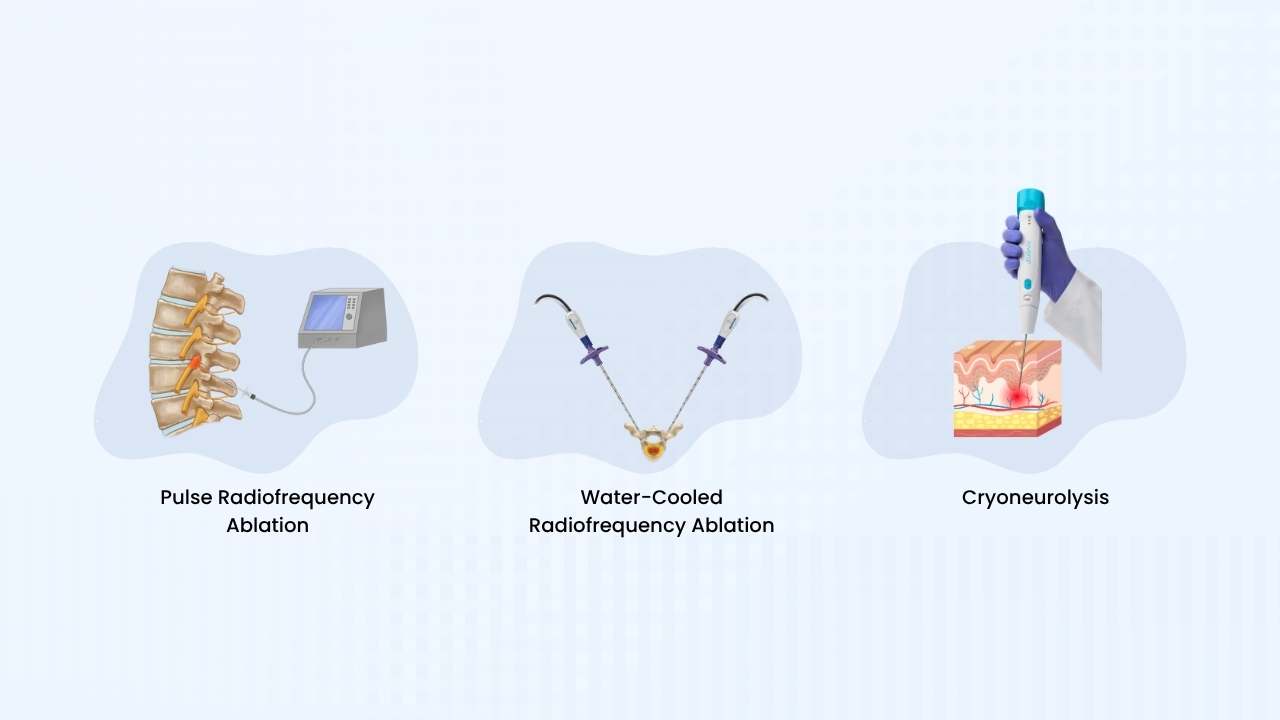
Radiofrequency ablation is a classified procedure that is divided into different types, which include:
Pulse Radiofrequency Ablation
It's a technique that is used to manage chronic pain by disrupting nerve signals without causing any tissue damage. Additionally, it involves using short, high-voltage pulses of radiofrequency energy to modulate pain signals, which leads to pain relief.
Water-Cooled Radiofrequency Ablation
It typically involves heating the targeted tissues to temperatures ranging from 80°C to 90°C for about 90 seconds, which leads to complete tissue destruction or burning.
Cryoneurolysis
It's a minimally invasive approach that helps in temporarily blocking nerve conduction to alleviate pain. However, it is performed with local anesthesia and imaging guidance by an interventional radiologist.
Also Read: Pacemaker Implantation
When Radiofrequency Ablation Is Considered
RFA is typically performed after steroid or other injection treatments that are tried in the sacroiliac or facet nerve for treating pain symptoms. However, the medical branch of RFA targets the facet joint nerves, and the lateral branch RFA targets the sacroiliac joint nerve in the posterior pelvis.
Medial and lateral branches of RFA might be used to treat the following conditions, which include:
- Neck and back pain is caused by vertebral or spinal conditions.
- Cervicogenic headache
- Occipital neuralgia
- Sacroiliac joint or posterior pelvic pain
Tests Before Radiofrequency Ablation
Before undergoing RFA, you may undergo several tests to ensure the procedure is safe for your specific condition. Tests include:
- MRI or CT scan
- X-rays or ultrasound
- Blood tests
- ECG Electrocardiogram
- Physical examination
How Radiofrequency Ablation Procedure Done?
• Before the Procedure
Before the procedure, your doctor will check your medical history and ask you necessary questions.
You will get a list of instructions that you should follow, including:
- You should avoid drinking or eating anything for at least 6 to 8 hours before the procedure.
- You should tell your doctor about any blood thinners, diabetes medications, or any supplements that you’re taking.
- Make sure to complete all the diagnostic tests, which are advised by your doctor.
- Make sure to keep the treatment area clean and also avoid using lotions, powders, or oils on your skin.
• During the Procedure
At first, you’ll lie on your stomach on a special X-ray table where your healthcare providers use monitors to check your condition during the procedure.
After this, the doctor will use a local anesthetic to numb the area where the needle will be inserted.
Then a thin needle will be inserted into the site of pain, and then a needle placement is guided by a special kind of real-time continuous X-ray (fluoroscopy).
Once the needle reaches the site, the doctor will do the test to confirm it’s in a proper position. However, your healthcare provider will ask you if you have a tingling sensation, which means the right location has been found for the treatment.
Then the local anesthesia will be injected through the needle to numb the target area.
Then the radiofrequency current will be sent through the needle to heat the identified portion of the nerve.
Moreover, more than one nerve can be treated during the procedure if necessary.
Furthermore, the procedure might take 15 minutes to 2 hours to complete.
• After the Procedure
After the radiofrequency ablation procedure, you can go home shortly after your procedure.
When you get home, you should rest and not drive or engage in any strenuous activities for 24 hours after the procedure.
However, you might feel soreness, pain, and muscle spasms at the treatment site for some days, but you will get some medications to prevent it.
Technology Used in Radiofrequency Ablation in India
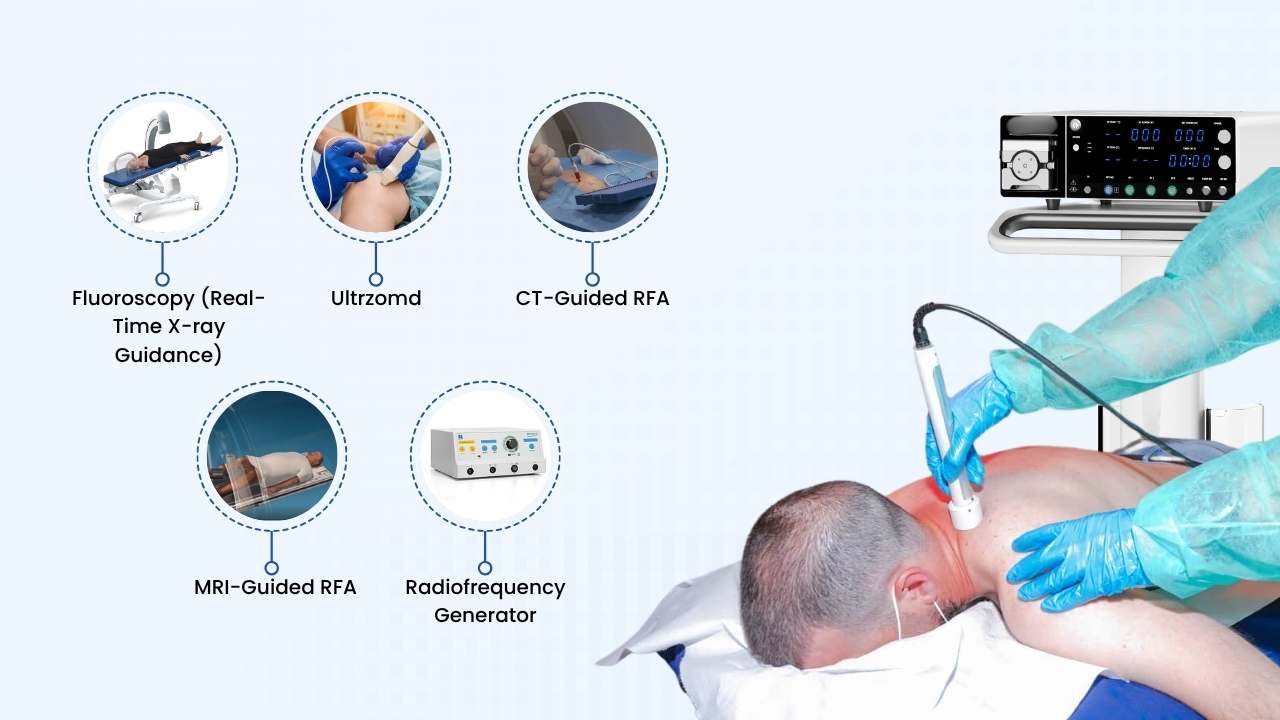
Indian hospitals are equipped with advanced image-guided and minimally invasive approaches to perform RFA safely and precisely. However, these tools also ensure accurate targeting of the offered tissues or nerves while minimizing damage to nearby healthy areas. Some of the technologies include:
Fluoroscopy (Real-Time X-ray Guidance)
It is mainly used in spinal nerve ablation and pain management fluoroscopy, which helps the doctor guide the RFA needle to the exact nerve location with real-time imaging.
Ultrasound
It is used to guide the needle and monitor nearby structures like blood vessels and nerves.
CT-Guided RFA
It offers high-resolution, cross-sectional images that help in targeting tumors like the kidney, liver, or lungs and deep nerve pathways as well. Furthermore, it is widely used in oncology settings.
MRI-Guided RFA
It helps to provide a detailed image for soft tissues and is sometimes used for precise tumor-targeted ablations in advanced hospitals with hybrid imaging systems.
Radiofrequency Generators
This device helps to produce a controlled electric current that heats the targeted nerve or tissues. It is widely used in India with adjustable temperature and duration settings to ensure safety.
Are there Alternatives to Facet RFA for Pain Management?
Yes, there are other treatment options as well for pain management, such as physical therapy, medications, and other interventional procedures like facet blocks, peripheral nerve stimulation, and spinal fusion surgery. Furthermore, your healthcare provider will help you to check the most reliable treatment option according to your condition and medical history.
When Radiofrequency Ablation May Not be Performed
It might not be recommended for you when:
- You have an infection at the incision site.
- You have increased intracranial pressure.
- If you are allergic to local anesthesia
Is Radiofrequency Ablation Considered Surgery?
Well, it’s not considered a surgery; it’s a minimally invasive procedure, which means the procedure is performed by using methods that access your body with the least amount of damage or disruption to your skin and tissues. However, a minimally invasive approach provides a lower risk of infection and other complications as well, which reduces the length of hospital stay, causes less pain, and shorter recovery time.
Benefits of Radiofrequency Ablation Procedure
RFA offers several benefits as a medical procedure, which include:
- It's typically performed by using small incisions or needle punctures, which minimize tissue trauma and also promote faster recovery.
- The heat generated by RFA can be precisely focused on specific tissues or structures, which allows a selective procedure and minimal damage to its surrounding healthy tissues.
- Some some cases, RFA offers a non-surgical alternative to traditional surgical interventions, which helps in reducing the complications and risk associated with open surgery.
Risks and Complications of Radiofrequency Ablation
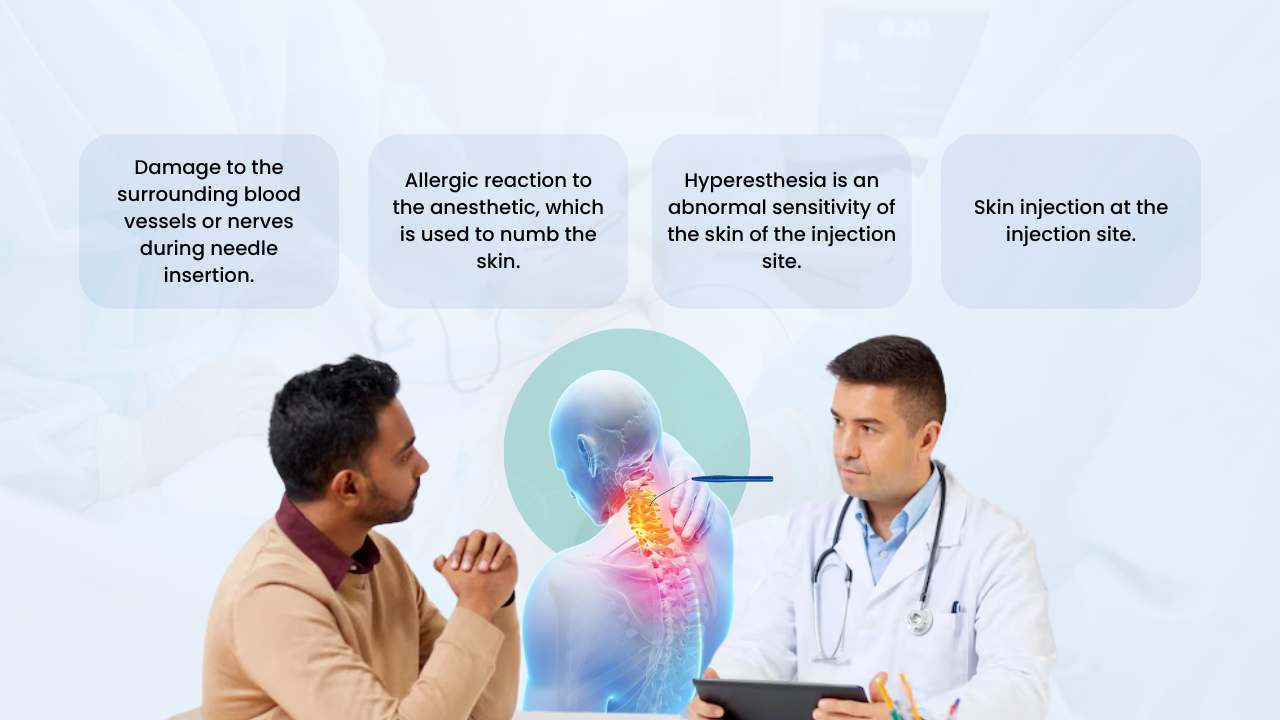
Although rare, some serious risks may occur after the radiofrequency ablation procedure, which include:
- Hyperesthesia is an abnormal sensitivity of the skin of the injection site.
- Skin injection at the injection site.
- Damage to the surrounding blood vessels or nerves during needle insertion.
- Allergic reaction to the anesthetic, which is used to numb the skin.
Hospital Stay after Radiofrequency Ablation
After the procedure, a patient needs to stay in the hospital for 2 days or maybe more, yet it depends on the patient's specific condition.
Recovery Time of Radiofrequency Ablation
The recovery from radiofrequency ablation might take one week.
Success Rate of Radiofrequency Ablation
The success rate of radiofrequency ablation in India is 98%.
Best Doctors for Radiofrequency Ablation in India
The best doctors for cardiology in India are highly skilled in performing advanced RFA procedures for heart rhythm disorders, ensuring precise treatment with minimal risk.
Best Hospitals for Radiofrequency Ablation in India
Some of the best hospitals for cardiology in India also offer RFA procedures for cardiac arrhythmias, combining top-tier infrastructure with internationally trained heart specialists.
Why Choose RIHLATMED for Radiofrequency Ablation in India
• Team of Top Specialists
We recommend doctors with more than 25 years of experience performing radiofrequency ablation.
• JCI/NABH Accredited Hospitals
We have teamed up with hospitals that have the best facilities and the newest technologies. These hospitals use advanced tools and equipment to provide thorough and tailored care for each patient.
• Additional Benefits
RIHLATMED offers prompt and detailed responses, accurate radiofrequency ablation costs in India estimates, and full assistance with medical visa processing and accommodation arrangements in India. Apart from that, we also offer priority appointment scheduling with top doctors to minimize waiting time.
To ensure a smooth arrival, we arrange airport pickup, hotel transfers, and complete support during hospitalization, making your medical journey in India seamless and stress-free.
Conclusion
Radiofrequency ablation is a minimally invasive procedure through which chronic back or neck pain and tumors are treated. However, it’s not for everyone; only recommended when other treatment options haven’t helped to provide relief.
Disclaimer
The information available in this article is for general purpose, so if you would like to have a professional opinion on this procedure and get an estimated cost and details, then we are here to help you every step of the way. Connect with RIHLATMED now.