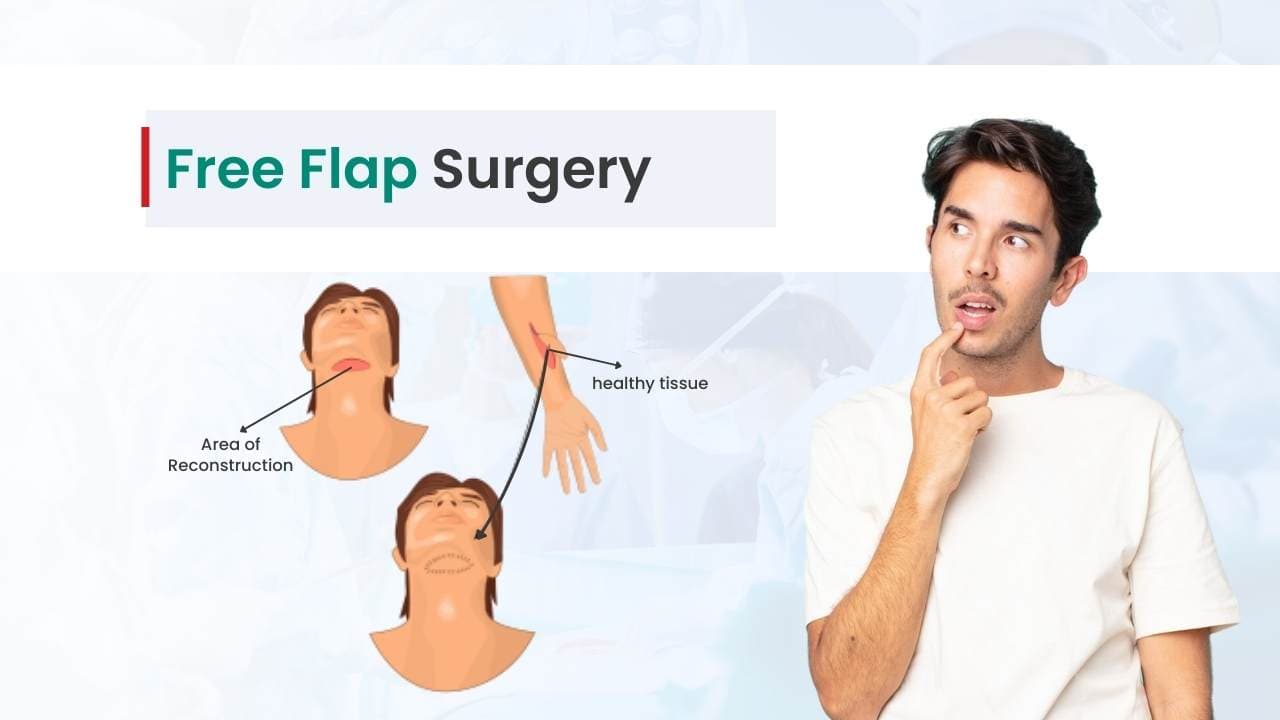


Many people choose cosmetic surgery to improve their looks, but the decision should not be taken lightly because these procedures carry health risks, and some are considered among the most dangerous plastic surgeries and riskiest cosmetic procedures. Unfortunately, the risks are not always explained clearly by those performing the treatments, which can cause stress for patients. Certain high-risk procedures have a greater chance of serious complications and, in some cases, even death. This article looks at the riskiest cosmetic surgeries, so that patients can have the right information and make better decisions for themselves.
What is Plastic Surgery
Plastic surgery is a surgical specialty focused on restoring and improving the function and appearance of facial and body tissues, including those affected by illness, trauma, and birth disorders. It encompasses both reconstructive surgery, which repairs defects and restores normal function, and cosmetic surgery, which enhances aesthetics.
What is The Most Dangerous Plastic Surgery
Plastic surgery can improve looks, but some plastic surgeries are the most dangerous. Knowing about these risks helps you make safer choices:
◘ Brazilian Bum Lift (BBL)
This surgery takes fat from one part of your body and injects it into the buttocks to change your shape. The most dangerous problem is a pulmonary fat embolism, and this happens if fat enters the bloodstream and blocks the lungs. This can be fatal, especially if fat is injected too deeply into the muscles.
◘ Tummy Tuck
A tummy tuck removes extra skin and fat from your stomach to make it flatter, and it is common for both men and women. It carries a high risk of blood clots that travel to the lungs, which can cause severe complications.
◘ Liposuction
Liposuction removes fat from specific areas of your body, and many see it as a quick fix for weight loss, but it is not a replacement for diet and exercise; it is a complex medical procedure that includes risks like infection, fluid imbalance, and damage to internal organs.
◘ Facial Reconstruction
This type of surgery covers many operations, from cosmetic changes to repairing damage after accidents. One of the riskiest types is orthognathic surgery, which reshapes your jaw. However, the jaw has many important blood vessels, and even small mistakes can cause serious complications.
Choosing the Right Plastic Surgeon: Factors to Consider for a Successful Procedure
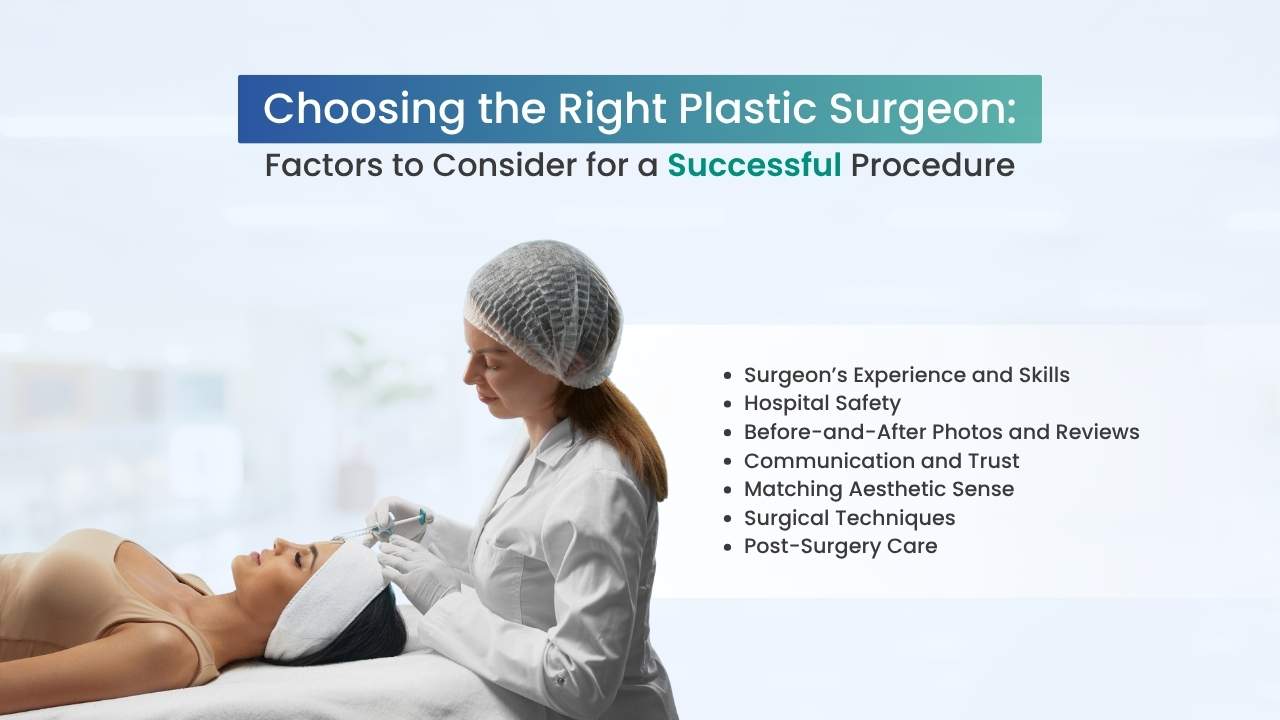
‣ Surgeon’s Experience and Skills
You should check how much experience the surgeon has and ask if they specialise in a certain type of plastic surgery. Find out how many surgeries they have done, and ask about their success rate and how happy their patients are.
‣ Hospital Safety
Make sure the surgeon works in a hospital that has proper accreditation. This means the place follows strict safety rules and is prepared for emergencies.
‣ Before-and-After Photos and Reviews
Look at photos of the surgeon’s past patients before and after surgery. This will help you see the quality and consistency of their work. Also, read patient reviews and talk to people you know who have had similar surgery.
‣ Communication and Trust
During your consultation, notice if the surgeon listens carefully to your concerns. They should answer your questions clearly and make you feel comfortable and confident.
‣ Matching Aesthetic Sense
Choose a surgeon whose style fits your goals, and look at their past work to see if it shows the results you want. Make sure their vision matches your expectations.
‣ Surgical Techniques
Ask about the methods and techniques the surgeon uses. A good surgeon keeps up with the latest medical advancements, which often lead to better results and faster recovery.
‣ Post-Surgery Care
Find out what kind of care and support you will receive after your surgery. A responsible surgeon gives clear recovery instructions and is available to help if any issues come up.
Why Is India Emerging as a Safe and Affordable Option for Plastic Surgery?
Several reasons have made India a centre for plastic and aesthetic surgeries:
‣ Affordable Prices
Plastic surgery in India costs much less compared to countries like the US, UK, and Australia. A facelift and liposuction can be 60–70% cheaper in India. Even though prices are low, the quality of treatment remains very high because hospitals in India use modern technology and maintain international standards.
‣ Quality Treatment
Lower cost does not mean lower quality. India has many skilled plastic surgeons who are trained in some of the best medical institutions in the world.
‣ World-Class Medical Facilities
India has advanced hospitals and clinics equipped with the latest technology. Many top hospitals are internationally accredited by JCI and NABH. From simple treatments like Botox and fillers to complex surgeries such as facelifts, liposuction, and body contouring, Indian hospitals offer many procedures.
‣ Surgeons with Global Training
India has a large number of highly experienced plastic surgeons, and many of them have trained in the US, Europe. They are experts in the newest techniques and trends in both cosmetic and reconstructive surgery.
‣ Minimal Waiting Time
In many Western countries, patients often have to wait for months for non-urgent plastic surgeries. In India, waiting times are very short, and patients can usually schedule their surgeries quickly, which helps them get treatment without delay.
‣ Medical Tourism Support
India has strong medical tourism services that make the process easier for international patients. Agencies and hospitals help with visas, travel, accommodation, and even post-surgery care. Many clinics offer packages that cover both treatment and stay. Patients can also explore India’s rich culture and tourist spots before and after their surgery.
‣ No Language Barrier
Communication is smooth in India because most doctors and medical staff speak fluent English. This means patients can easily discuss their concerns, treatment plans, and recovery instructions without facing language issues.
Health Risks Related to Plastic Surgery

🔴 Hematoma
This is like a big, painful bruise that happens in about 1 to 6 out of every 100 breast surgeries, and sometimes after a facelift, too. If this happens, doctors may need to do another surgery to remove the blood.
🔴 Infection
Infections are one of the most common problems after surgery. Some infections are mild, but in serious cases, patients need strong medicines given through the veins.
🔴 Nerve Damage
After plastic surgery, you may feel tingling and numbness, as after breast surgery, many women lose nipple sensation.
🔴 Blood Clots
Surgery can sometimes cause blood clots in the legs (Deep Vein Thrombosis). If the clot moves to the lungs, it can cause a Pulmonary Embolism, which can be very dangerous and even deadly.
🔴 Organ Damage
During surgeries like liposuction, instruments go inside your body. Sometimes, they can accidentally puncture internal organs. If this happens, you will need another surgery because it can be life-threatening.
🔴 Dissatisfaction
Some people may not like the way they look after the surgery. But most people are usually happy with the results.
🔴 Scarring
All surgeries leave some scars, but since plastic surgery is done to improve looks, scars can feel upsetting. Around 2 to 5 breast surgery patients get thick, red, and raised scars.
🔴 Complications from Anesthesia
Anesthesia is used to make you sleep and numb during surgery. While it is usually safe, it can sometimes cause serious issues like stroke, heart attack, and lung infection. Common minor issues are confusion and shaking.
🔴 Blood Loss
Bleeding is normal in surgery, but too much bleeding can cause low blood pressure and may be dangerous. It can happen during and after the operation.
🔴 Seroma
This happens when fluid collects under your skin after surgery. It looks like a large blister and can be painful. It’s most common after a tummy tuck. Doctors may drain it with a needle, but it can come back again.
Note: Plastic surgery is physically demanding. To recover quickly, patients need to take precautions and rest well. It is essential to focus on a balanced diet and proper nutrition for a speedy recovery.
Diet and Nutrition After Plastic Surgery
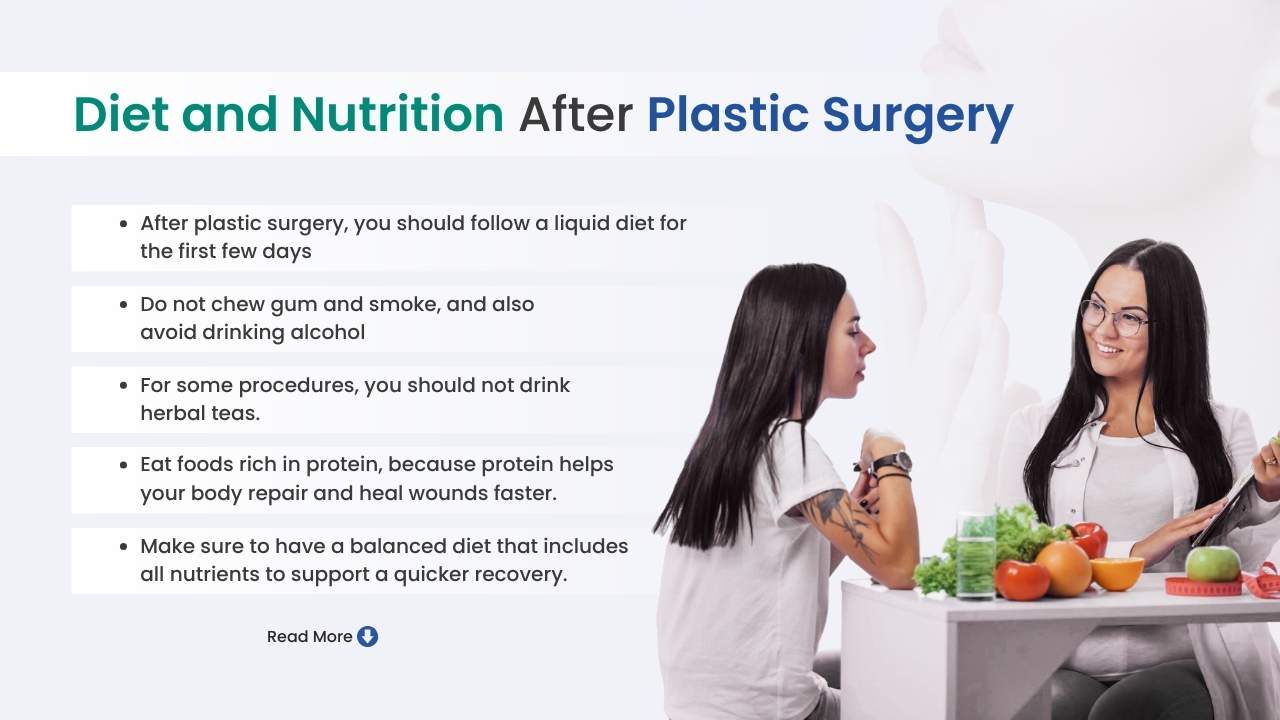
- After plastic surgery, you should follow a liquid diet for the first few days. Some surgeries may require you to stay on a liquid diet for a longer time.
- Do not chew gum and smoke, also avoid drinking alcohol because it slows down healing and reduces your energy.
- For some procedures, you should not drink herbal teas.
- Eat foods rich in protein, because protein helps your body repair and heal wounds faster.
- Make sure to have a balanced diet that includes all nutrients to support a quicker recovery.
Conclusion
Choosing the right plastic surgeon is very important for both safety and good results, and whether the hospital is well-established. Doing proper research, meeting the doctor, and building trust will help you feel confident. Taking time to select the right surgeon greatly increases your chances of a safe surgery and satisfying results.
FAQs
Why is BBL (Brazilian Butt Lift) called the riskiest cosmetic surgery?
BBL is seen as the riskiest cosmetic surgery because fat is injected into your buttocks. If the fat accidentally enters a blood vessel and travels to the lungs, it can block blood flow, which can be severe.
Are plastic surgery procedures painful?
Yes, there is some pain and discomfort after surgery. But doctors give pain medicines, and most patients feel comfortable with them.
Can plastic surgery be life-threatening?
Yes, in rare cases, serious problems like blood clots in the lungs, side effects from anesthesia, and severe infections can make plastic surgery dangerous.
Is liposuction more dangerous than a tummy tuck?
A tummy tuck is usually riskier than liposuction because it’s a bigger surgery that removes more tissue and sometimes repairs abdominal muscles. Recovery is also longer and more complicated.
Should patients avoid high-risk plastic surgeries?
No, patients should not avoid every high-risk procedure, but they should think carefully about the risks and benefits. Choosing a skilled surgeon, being healthy before surgery, and going to an accredited hospital can lower the chances of complications.